Fifth anniversary edition runs from 6 October to 7 November 2026 across Scotland with screenings in Glasgow, Cromarty, Edinburgh, Dunfermline and Aberdeen
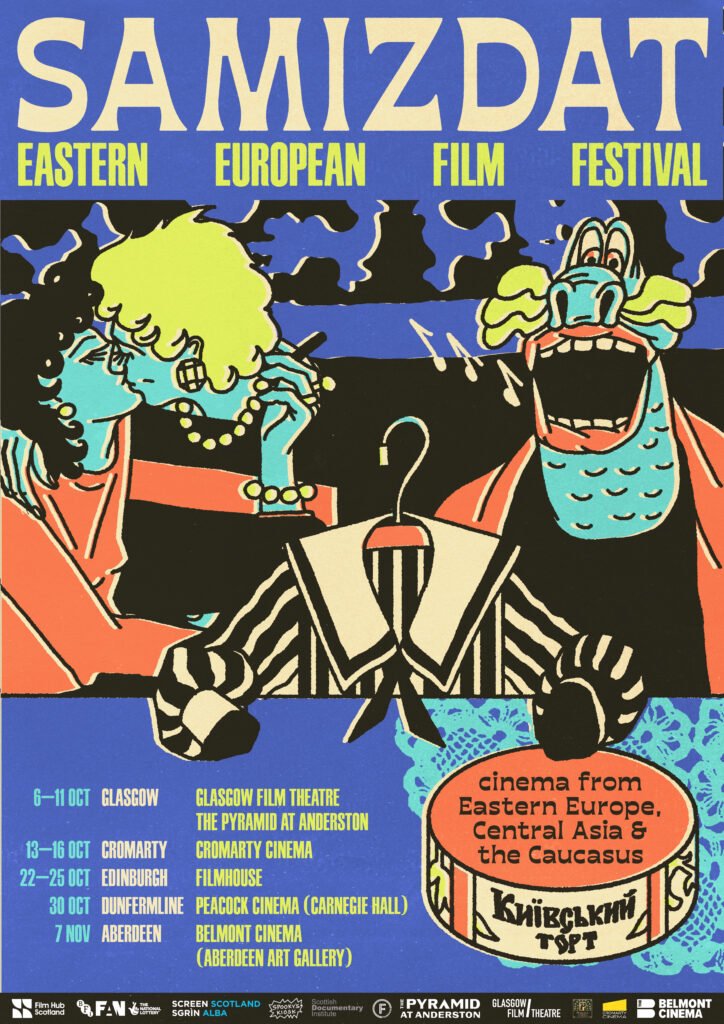
Samizdat Eastern European Film Festival has announced its 2026 programme, marking the festival’s fifth anniversary with its most ambitious and geographically expansive edition to date. Bringing together some of the most exciting, powerful, thoughtful, strange and visionary filmmaking from Eastern Europe, Central Asia and the Caucasus, the festival will present screenings, special events, filmmaker conversations and premieres across Glasgow, Cromarty, Edinburgh, Dunfermline and Aberdeen.
The festival opens on 6 October at Glasgow Film Theatre with a new edition of Samizdat’s much-loved animation programme, Politics of the Imagination: Animations of the Eastern Bloc (1958–1992). Featuring surreal dreamscapes, folk tales, post-apocalyptic visions and allegories of political paranoia, the collection showcases the extraordinary creativity of animators working across the Eastern Bloc during the second half of the twentieth century. The screening will be preceded by a musical introduction from Ukrainian violinist Masha Zhuravlova and followed by an Opening Night Party at Stereo.
To mark its fifth anniversary, Samizdat has assembled one of its most ambitious and varied programmes to date, combining landmark classics, contemporary discoveries, filmmaker conversations, documentary premieres, experimental cinema and special anniversary events. Highlights include a rare 35mm screening of Béla Tarr and Ágnes Hranitzky’s masterpiece Werckmeister Harmonies, alongside Jerzy Kawalerowicz’s acclaimed psychological drama Mother Joan of the Angels.
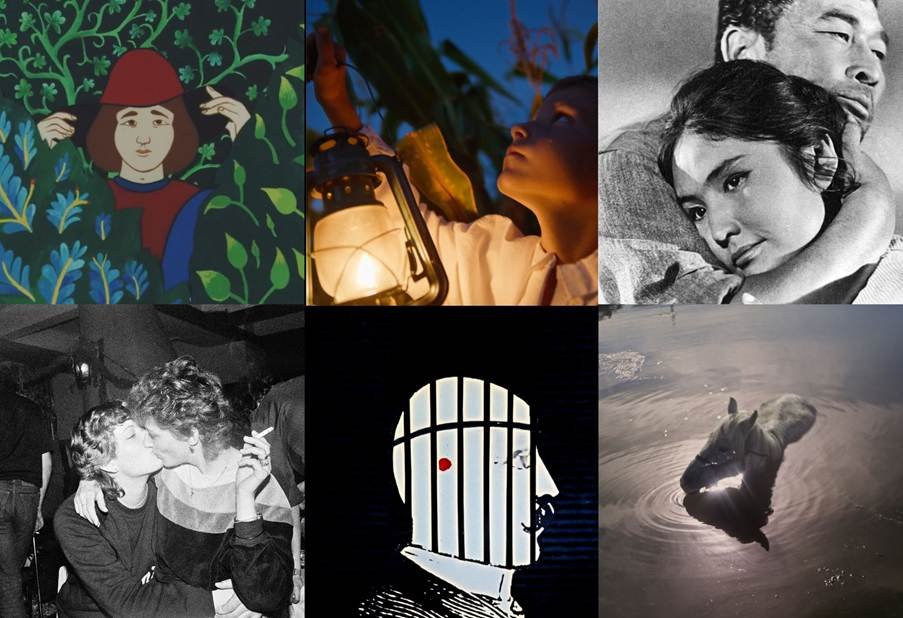
A major focus of this year’s programme is Re-membering the Archive, a strand exploring personal and collective histories through photographs, home videos, memory and acts of reconstruction. Featured works include Klára Tasovská’s I’m Not Everything I Want to Be, built from the remarkable photographic archive of Czech photographer Libuše Jarcovjáková; Maria Stoianova’s Fragments of Ice, which pieces together the story of Ukraine’s transition from the Soviet Union through decades of family VHS recordings; and Otilia Babara’s Love Is Not an Orange, an intimate portrait of migration and motherhood in post-independence Moldova assembled from home videos sent between mothers working abroad and the children they left behind. The strand also includes Vlad Petri’s Between Revolutions, a compelling blend of archival footage, political history and fictional correspondence spanning Romania and Iran.
Meanwhile, Samizdat’s recurring genre strand returns under the banner Love Stories: Eastern European and Caucasian Romance, presenting three radically different explorations of love, desire and belonging. Audiences can discover Janusz Morgenstern’s rarely screened Polish classic Goodbye, See You Tomorrow, Levan Akin’s acclaimed Georgian drama And Then We Danced, and Anja Koprivšek’s uplifting documentary Grand Prize, which celebrates love, friendship and chosen family within Croatia’s ballroom community.
Contemporary Ukrainian cinema continues to play a central role within the festival. Alongside Fragments of Ice, audiences can experience the UK premiere of Yulia Appen’s A Home for Rita, a tender portrait of an internally displaced Romani family rebuilding their lives after fleeing Russian occupation, as well as a wide selection of Ukrainian works featured throughout the Short Film Competition and other curated programmes.
The festival also presents works that challenge conventional forms and ways of seeing. Armenian double bill After Dreaming and Kafka brings together two films exploring uncertainty, displacement and estrangement, while Marija Nemčenko’s LAK i offers a poetic reflection on home and belonging, weaving together stories of white storks, rural communities and disappearing ways of life in south-east Lithuania. Similar themes are further explored in The Beauty of the Donkey, in which filmmaker Dea Gjinovci returns to Kosovo with her father more than fifty years after his exile, exploring family history, memory and belonging across generations.
Classic cinema also remains at the heart of the programme. Alongside Werckmeister Harmonies, audiences can discover Heat, the remarkable debut feature by acclaimed Ukrainian filmmaker Larisa Shepitko. Set in the Kazakh steppe during the Soviet Virgin Lands Campaign, the film follows a young graduate whose idealism collides with entrenched hierarchies, revealing the early brilliance of one of Eastern European cinema’s most celebrated directors.
As part of its ongoing commitment to supporting emerging filmmakers, Samizdat’s Short Film Competition returns with fifteen films from across Eastern Europe, Central Asia and the Caucasus competing for the festival’s Audience Award. This year’s selection spans countries from Poland and Ukraine to Kyrgyzstan and Tajikistan, bringing together animation, documentary and fiction works from some of the region’s most exciting contemporary voices.
To celebrate its fifth birthday, the festival has also created its first ever 5th Anniversary Shorts Collection, co-curated by the entire programming team. The programme invites audiences into the films that have shaped the curators’ relationships with the cinema, histories and cultures represented throughout the festival, offering a uniquely personal reflection on five years of Samizdat.
Beyond Glasgow, the festival will travel further across Scotland than ever before. Following its opening week at Glasgow Film Theatre and The Pyramid at Anderston, Samizdat will bring selected screenings to Cromarty, Edinburgh, Dunfermline and Aberdeen, extending its reach and bringing distinctive cinema from Eastern Europe, Central Asia and the Caucasus to audiences across the country.
Samizdat Eastern European Film Festival takes place in:
- Glasgow: 6–11 October 2026 at Glasgow Film Theatre and The Pyramid at Anderston
- Cromarty: 13–16 October 2026 at Cromarty Cinema
- Edinburgh: 22–25 October 2026 at Filmhouse
- Dunfermline: 30 October 2026 at Peacock Cinema, Carnegie Hall
- Aberdeen: 7 November 2026 at Belmont Cinema, Aberdeen Art Gallery
Samizdat strives to ensure its programme can be enjoyed by as many people as possible. All festival venues are wheelchair accessible, films are presented with English subtitles, and selected screenings include descriptive subtitles. Detailed accessibility information and the Audience Access Fund are available via the festival website.
As part of its commitment to accessibility, most Samizdat screenings operate on a pay-what-you-can model, with ticket prices beginning at £4. The festival also offers an Audience Access Fund to support attendees facing financial barriers, helping to cover costs such as travel and childcare where needed.
The 2026 edition of Samizdat is supported by Screen Scotland’s Film Festival and Screening Programme Fund and Film Hub Scotland, part of the BFI’s Film Audience Network, and funded by Screen Scotland and National Lottery funding from the BFI.
Tickets on sale now here